

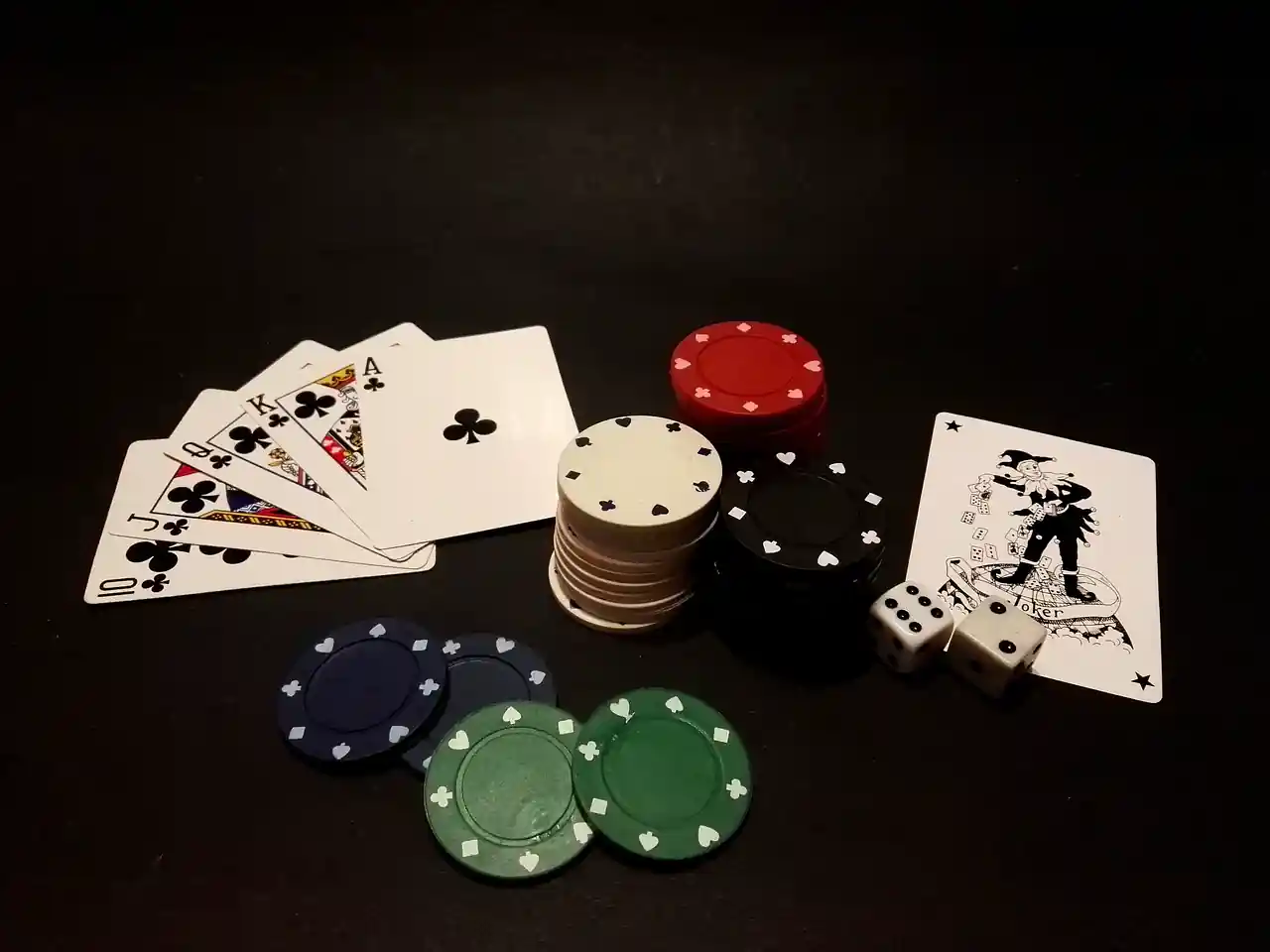
You’ve probably heard of Game Theory Optimal (GTO) play in the context of high-stakes poker. It’s that almost mythical, mathematically balanced strategy that makes you unexploitable. But here’s the thing—the core ideas aren’t chained to the felt. They’re quietly revolutionizing how sharp players approach modern board games, from tense auctions to area control battles.
Think of GTO not as a rigid playbook, but as a mindset. It’s about understanding the fundamental structure of a game’s conflict, mapping out the possible decisions (the “game tree”), and making choices that can’t be easily countered. Let’s dive into how this cold, beautiful logic heats up your game nights.
The GTO Toolkit: More Than Just Math
At its heart, GTO in board games focuses on a few key principles. First is mixed strategies. You know, sometimes you have to be unpredictable. In a game like Kemet or Blood Rage, always attacking the same player with your biggest army is a recipe for disaster. A GTO-informed approach might have you randomly (but calculatedly) switching targets 30% of the time, keeping opponents guessing and preventing them from forming a solid defense against you.
Then there’s indifference. This is a fascinating one. You aim to make your opponent indifferent between their own options because all seem equally bad from their perspective. In an auction game like Modern Art or Power Grid, you might bid up to a point where, honestly, you’d be happy whether you win the item or force your opponent to overpay. You’ve removed their “good” choice.
Where GTO Shines: Game Mechanics Breakdown
Not every game is a good fit. Games of perfect information—where everyone sees everything, like Chess—are more about solving for the single best move. GTO truly flexes its muscles in games with hidden information, simultaneous actions, or negotiation. Here’s where it gets practical.
1. Auction & Bidding Games
This is prime territory. Your valuation of an item isn’t just what it’s worth to you; it’s what you think it’s worth to others, adjusted by the risk of losing it. A GTO-style player in Ra or The Estates doesn’t just bid their maximum. They build a model—a rough one, in their head—of what the tile or plot is likely worth to the table and bid to make others indifferent about contesting it. It’s about controlling the tempo of the auction, not just winning a single lot.
2. Area Control & “Dudes on a Map” Games
In Root or Inis, committing all your forces is a huge risk. A balanced, unexploitable strategy might involve holding back a key piece, creating a credible threat that deters aggression without you ever having to use it. You’re playing the board, sure, but you’re also playing the players’ minds. Your distribution of units should make attacking you look like a poor ROI compared to other options on the board.
3. Social Deduction & Negotiation
Even here! In Diplomacy or a complex game like Game of Thrones: The Board Game, promising to support someone and then betraying them is a classic move. But if you get a reputation for it, you’re finished. A GTO-inspired approach involves being truthful a specific, non-100% percentage of the time. You build just enough trust to be effective, but remain unpredictable enough that others can’t safely plan on your obedience. It’s brutal, but it’s optimal.
The Human Counterpunch: Exploitative Play vs. GTO
Okay, here’s the deal. Pure GTO is often a theoretical baseline. In most board game settings, you’re not playing against perfect robots. You’re playing against Dave, who always overvalues sheep in Catan, or Maya, who gets overly aggressive when she’s in second place. This is where exploitative play—deviating from GTO to target a specific opponent’s mistakes—takes over.
The best players, honestly, dance between these two poles. They use GTO as their foundation—a safe, solid strategy that won’t fail. Then, they layer on observations. If you notice someone never bluffs in a bidding round, you can safely let them win cheaply when they’re active and push them hard when they seem eager. You’re exploiting their predictable, non-GTO pattern.
| Approach | Focus | Best Used When… |
| GTO (Balanced) | Being unexploitable, long-term equilibrium | Playing against unknown/strong opponents, in critical late-game decisions |
| Exploitative | Capitalizing on specific opponent errors | You have a clear “read” on a player’s tendencies, in casual or repeated groups |
Putting It Into Practice (Without a PhD)
You don’t need to crunch numbers all night. Start with these mindset shifts:
- Think in Ranges, Not Certainties. In Terraforming Mars, don’t think “Does Anna have the card to steal my steel?” Think, “What’s the range of cards she could have drawn, and how does my action play against that whole range?”
- Embrace Randomization. Seriously, it’s a tool. Can’t decide between two equally good spots in Castles of Burgundy? Literally flip a mental coin. That unpredictability protects you.
- Identify “Non-Zero-Sum” Moments. Not all board game interactions are win-lose. Sometimes, a trade or temporary alliance (like in Cosmic Encounter) benefits both. GTO thinking helps identify these mutual gains to build power for later conflicts.
The real beauty is this: applying these concepts makes you see the skeleton of the game beneath its artwork and theme. You start recognizing the subtle levers of power and risk.
The Final Move
So, is mastering GTO the key to winning every board game? Nah. It can feel cold, and it can’t account for the glorious, messy chaos of friends laughing and making suboptimal deals for the sake of fun. But as a lens to understand the deeper currents of strategy? It’s incredibly powerful.
It teaches you that sometimes, the best move is the one that leaves your opponents with no good moves left—only less bad ones. And in that quiet space of their hesitation, you find your advantage. That’s the application of game theory optimal play. Not as a formula, but as a way of seeing the board, and the people around it, just a little more clearly.